
Describe the property
Send the location, symptoms, equipment and access details. State whether the work is a repair, replacement or planned project.
Need plumbing help in Ridgetown? Tell us about the leak, blocked drain, fixture or water heater. A responding provider will confirm coverage and availability before booking.
Get A Free QuoteCompare high-recovery tanks and tankless units against peak household use, fuel, venting, and, for well-fed homes, pump and pressure-system requirements.
View scopeChoose cable clearing or suitable hydro-jetting based on the blockage and pipe condition; recurring clogs may warrant a camera inspection, including on septic-connected lines.
View scopeCompare PEX and copper routes for replacing galvanized pipe, and confirm access, work sequence, pressure testing, and any applicable inspection steps.
View scopeCheck fixture dimensions, shut-offs, and rough-in locations for toilets, faucets, laundry boxes, and utility sinks before ordering or closing walls.
View scopeUse symptom records and suitable acoustic or pressure tests to investigate concealed leaks; well-line testing can help define the repair area.
View scopeCompare pump capacity with basin and discharge conditions, review battery runtime, and check access and approvals for a backwater valve.
View scopeUse test results to compare softener capacity, iron or sulphur treatment, and any proposed ultraviolet or reverse-osmosis equipment.
View scopeFor water-treatment planning in Ridgetown, first establish whether the supply is municipal or from a well, then obtain suitable test results for the concerns being investigated. Hardness, iron, and sulphur require different treatment decisions; a softener should not be assumed to address every issue. Compare equipment capacity with measured results and household use, and ask how filters will be staged and maintained. If considering ultraviolet treatment for a well or reverse osmosis at a kitchen tap, confirm what each system is designed to treat and what testing, pre-treatment, or ongoing service it requires.
Compare high-recovery tanks and tankless units against peak household use, fuel, venting, and, for well-fed homes, pump and pressure-system requirements. Choose cable clearing or suitable hydro-jetting based on the blockage and pipe condition; recurring clogs may warrant a camera inspection, including on septic-connected lines. Compare PEX and copper routes for replacing galvanized pipe, and confirm access, work sequence, pressure testing, and any applicable inspection steps.
Check fixture dimensions, shut-offs, and rough-in locations for toilets, faucets, laundry boxes, and utility sinks before ordering or closing walls. Use symptom records and suitable acoustic or pressure tests to investigate concealed leaks; well-line testing can help define the repair area.
Compare pump capacity with basin and discharge conditions, review battery runtime, and check access and approvals for a backwater valve. Use test results to compare softener capacity, iron or sulphur treatment, and any proposed ultraviolet or reverse-osmosis equipment.
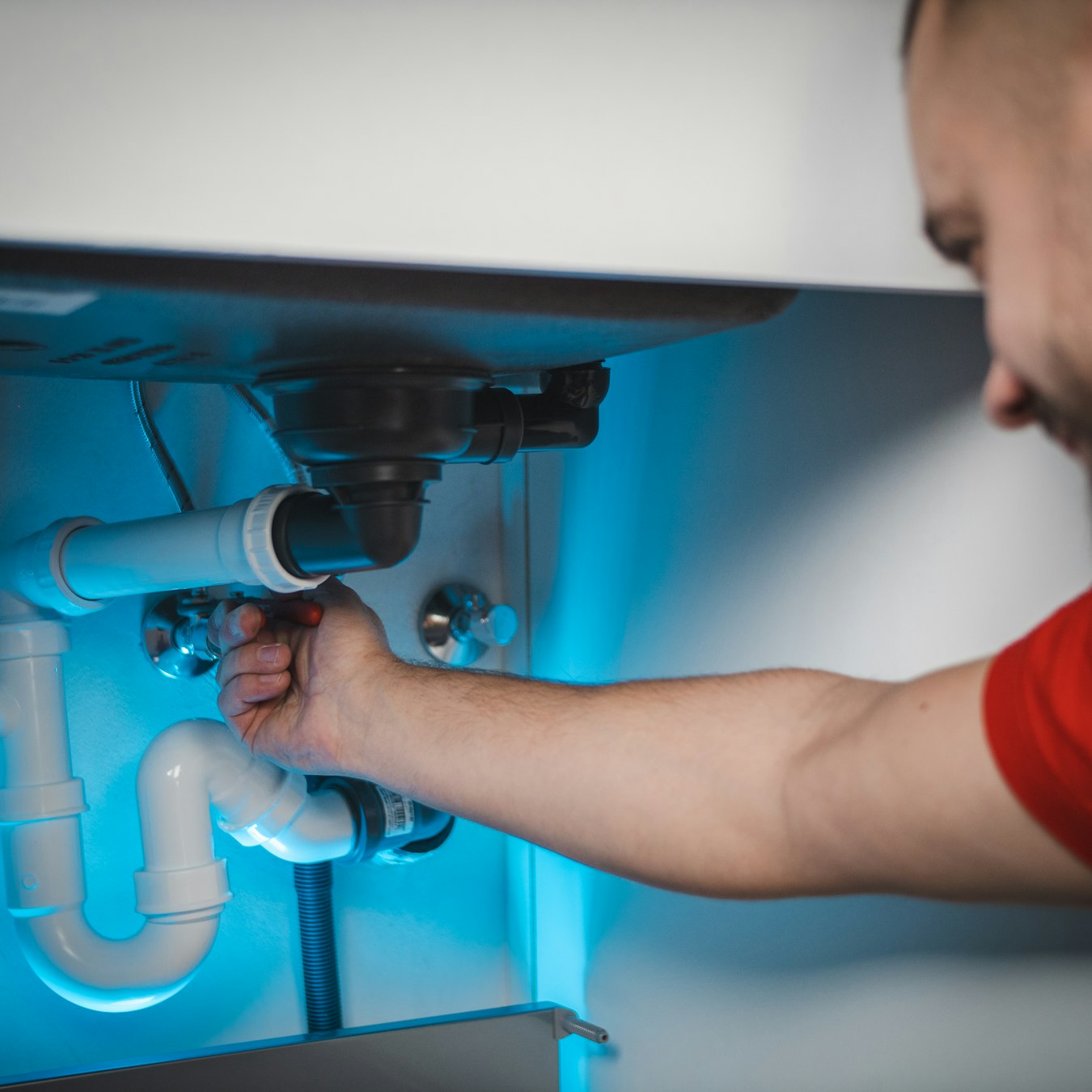
For a drain-cleaning project in Ridgetown, note which fixtures are slow, whether more than one drain is affected, and how often the problem returns. A cable may open a localized blockage, while hydro-jetting can remove suitable buildup along a line; the right approach depends on pipe condition and the obstruction. If a line repeatedly plugs, ask whether a camera inspection can locate the cause before further work is chosen. For septic properties, discuss mechanical cleaning methods and how debris will be managed.
Explore this serviceSend the location, symptoms, equipment and access details. State whether the work is a repair, replacement or planned project.
The request is reviewed so the responding provider can clarify the work, property access and service coverage.
Agree the provider identity, qualifications, written scope, pricing and visit window directly. Sending a form does not confirm an appointment.
If the property has a well, note the route from the wellhead to the house and record unusual pump cycling or pressure changes. Ask how the buried line will be isolated and tested, and how the suspected failure length will be identified. The test results can distinguish a well-line problem from an issue elsewhere and help define whether excavation or another access method is needed.
For a well-supplied property, photograph the pump and pressure-tank labels and note any pressure changes during heavy water use. Ask for pump output and pressure-tank behaviour to be considered alongside the heater’s supply requirements. Those checks can affect equipment selection and reveal whether the water system needs attention before a new heater is connected.
If the property drains to a septic system, identify the cleanout and ask how the proposed mechanical clearing method relates to the line and system. Avoid assuming that a chemical product is suitable for the system. The access point, blockage location, and destination of removed material can affect the work plan and help keep the project focused on the affected drain.
Photograph visible pipe markings, corrosion, and any prior repairs, and note which fixtures have low flow or discoloured water. Ask whether the proposed scope replaces only affected sections or the home’s broader galvanized backbone. Comparing the pipe route, material, and access helps establish why a PEX or copper layout is proposed and what walls or ceilings may be opened.
If a property has well water and there are concerns about iron or hardness, arrange appropriate testing and keep the results for the fixture discussion. Compare manufacturers’ material and maintenance guidance with the measured conditions rather than relying on a general claim about local water. The results can help narrow finish choices and set realistic expectations for cleaning and upkeep.
Use the form to describe the property, the symptoms and the work requested. For Chatham, Chatham-Kent, Blenheim, Highgate, include your postal code so local coverage can be checked.